
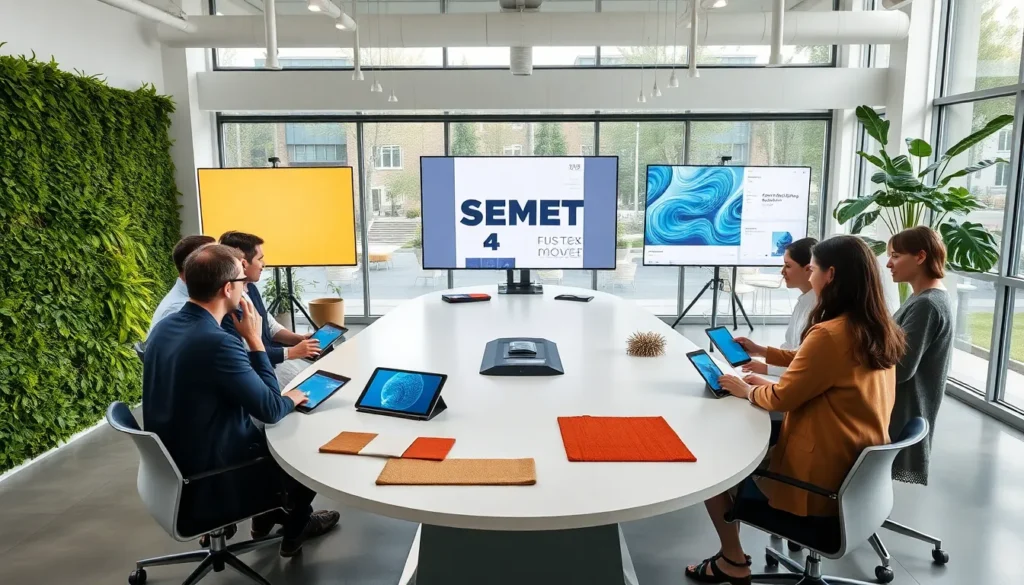
Design concepts trends 2026 will reshape how brands connect with audiences across digital and physical spaces. The industry is moving toward sustainability, AI integration, and sensory-rich experiences. Designers and businesses need to understand these shifts now to stay competitive. This guide breaks down the major design concepts trends 2026 will bring, from eco-conscious materials to bold visual statements. Whether you’re a creative professional or a business owner planning your next project, these insights will help you make informed decisions for the year ahead.
Table of Contents
ToggleKey Takeaways
- Design concepts trends 2026 prioritize sustainability, with eco-conscious materials, earthy color palettes, and transparent environmental communication becoming essential.
- AI-driven personalization enables brands to create thousands of customized design variations at scale while shifting the designer’s role toward curation and creative direction.
- The fusion of bold maximalism for emotional impact and clean minimalism for functionality will define successful visual strategies in 2026.
- Multisensory experiences—including 3D spatial design, audio branding, and haptic feedback—are becoming standard expectations across digital and physical touchpoints.
- Brands must build cohesive sensory languages that feel recognizable across all platforms, from mobile apps to retail environments.
- Designers who master AI-integrated workflows and circular design principles will gain significant competitive advantages in speed, output quality, and sustainability.
The Rise of Sustainable and Eco-Conscious Design
Sustainability has moved from a nice-to-have to a core requirement in design concepts trends 2026. Consumers now expect brands to demonstrate environmental responsibility through their visual choices and material selections.
Materials and Color Palettes
Earthy tones, recycled textures, and organic shapes will dominate design projects next year. Designers are choosing biodegradable packaging, plant-based inks, and renewable resources for print and physical installations. Digital design follows suit with nature-inspired color palettes, think moss greens, terracotta, and ocean blues.
Transparency in Visual Communication
Brands will use design to communicate their sustainability efforts clearly. This means infographics showing supply chain ethics, certifications displayed prominently, and packaging that tells a product’s environmental story. The design concepts trends 2026 will reward authenticity over greenwashing.
Circular Design Principles
Products and graphics will be created with their entire lifecycle in mind. Modular designs that can be updated rather than discarded will gain popularity. This approach reduces waste while keeping visual identities fresh and relevant.
AI-Driven Personalization and Generative Aesthetics
Artificial intelligence is fundamentally changing creative workflows, and design concepts trends 2026 will reflect this shift dramatically. AI tools now assist with everything from initial concept generation to final production.
Custom Experiences at Scale
Brands can now create thousands of personalized design variations for different audience segments. A single campaign might have hundreds of versions, each adjusted for demographics, preferences, or user behavior. This level of customization was impossible just a few years ago.
Generative Art and Patterns
AI-generated patterns, illustrations, and textures are becoming mainstream. These tools produce unique visual assets quickly, allowing designers to experiment more freely. The human designer’s role shifts toward curation, direction, and refinement rather than pixel-level creation.
Ethical Considerations
As AI becomes central to design concepts trends 2026, questions about originality and attribution matter more. The best creative teams will use AI as a collaborative tool while maintaining distinct human vision and voice. Disclosure about AI usage in creative work is becoming standard practice.
Workflow Integration
Expect design software to feature deeper AI integration. Auto-layout suggestions, smart color matching, and instant style transfers will save hours of manual work. Designers who master these tools will have significant advantages in speed and output quality.
Bold Maximalism Meets Functional Minimalism
One of the most interesting design concepts trends 2026 involves a creative tension between two opposite approaches. Maximalism and minimalism aren’t competing, they’re merging.
Strategic Excess
Maximalist elements like rich patterns, layered typography, and vibrant color combinations will appear in specific, controlled contexts. Think hero sections that grab attention, packaging that pops on crowded shelves, or social media content designed for quick impact.
Clean Functionality Where It Matters
User interfaces, navigation systems, and instructional content will stay clean and minimal. The goal is reducing cognitive load when users need to complete tasks. Forms, checkout processes, and dashboards will strip away decoration in favor of clarity.
The Hybrid Approach
Smart designers will blend both philosophies within single projects. A website might feature a dramatic, image-heavy homepage but shift to sparse layouts for product pages. This contrast creates visual rhythm and guides user attention effectively.
Design concepts trends 2026 suggest that brands will use maximalism for emotional connection and minimalism for practical function. Getting this balance right requires understanding context and user intent at each touchpoint.
Immersive and Multisensory Experiences
Digital and physical design will increasingly engage multiple senses. Design concepts trends 2026 push beyond visual-only experiences toward something more complete.
Spatial and 3D Design
Augmented reality filters, virtual showrooms, and 3D product visualizations are becoming standard expectations. Brands invest in spatial design that lets customers interact with products before purchasing. Furniture companies, fashion labels, and automotive brands lead this shift.
Sound and Motion Integration
Audio branding, sonic logos, ambient soundscapes, and interactive sound effects, adds emotional depth to digital experiences. Motion design continues its rise, with micro-animations guiding users and adding personality to interfaces.
Haptic Feedback
For physical products and certain digital applications, texture and touch matter. Packaging designers experiment with embossing, soft-touch coatings, and unexpected materials. Mobile apps use haptic feedback to confirm actions and create satisfying interactions.
Cross-Platform Consistency
As experiences span devices, locations, and formats, design concepts trends 2026 demand cohesive sensory languages. A brand should feel recognizable whether someone encounters it through a phone app, retail store, or streaming advertisement. Building these unified systems requires planning and attention to detail.


